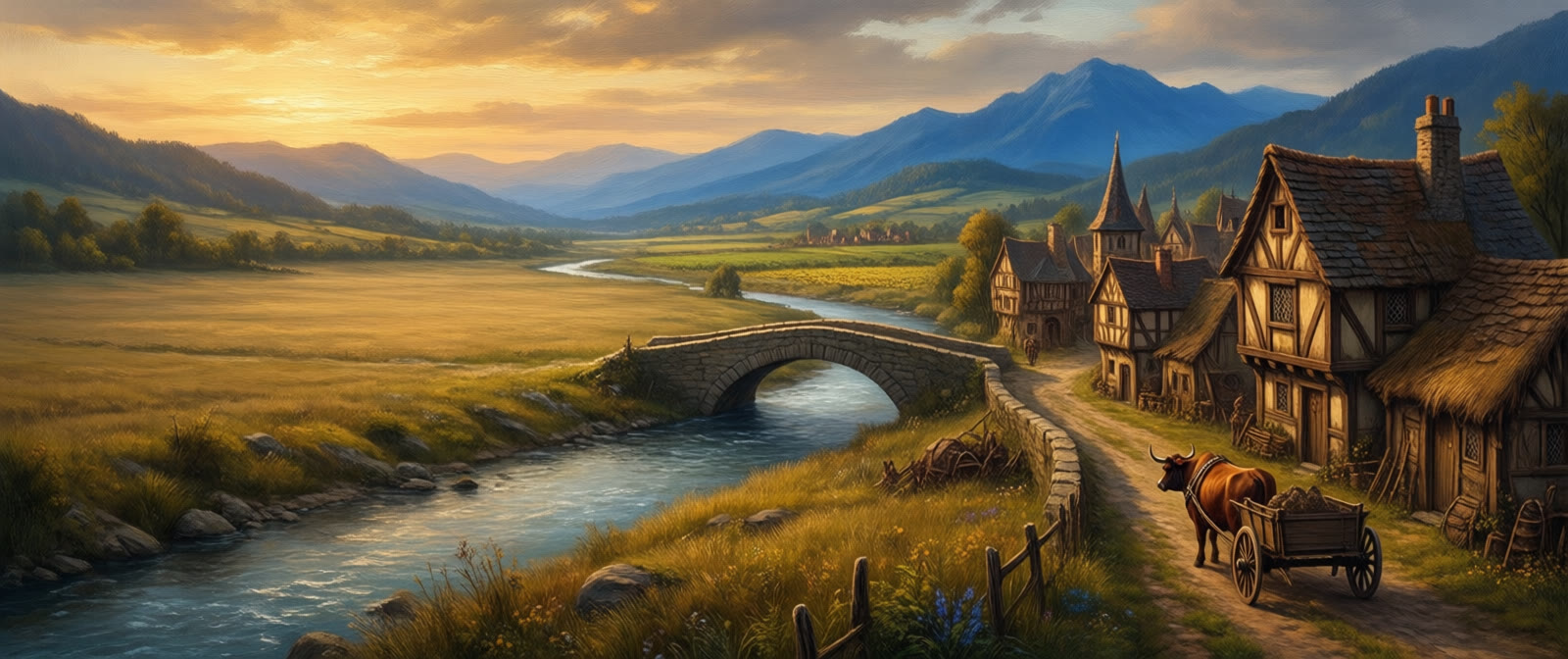
The world remembers
Claim ground and raise something on it. Walls, doors, windows, stairs and thatch, then the things that turn a building into a workplace: a brick forge and anvil, bellows, a charcoal kiln, a tanning rack, a loom, a quern, a smokehouse.
It is still there when you log back in, and so is everyone else’s. Distance has meaning and roads are how goods move, which is why a loaded cart is worth guarding. Goblins hold the deep places, skeleton knights keep the old ones, and something larger walks the hills. The same iron that makes a nail makes a spear.
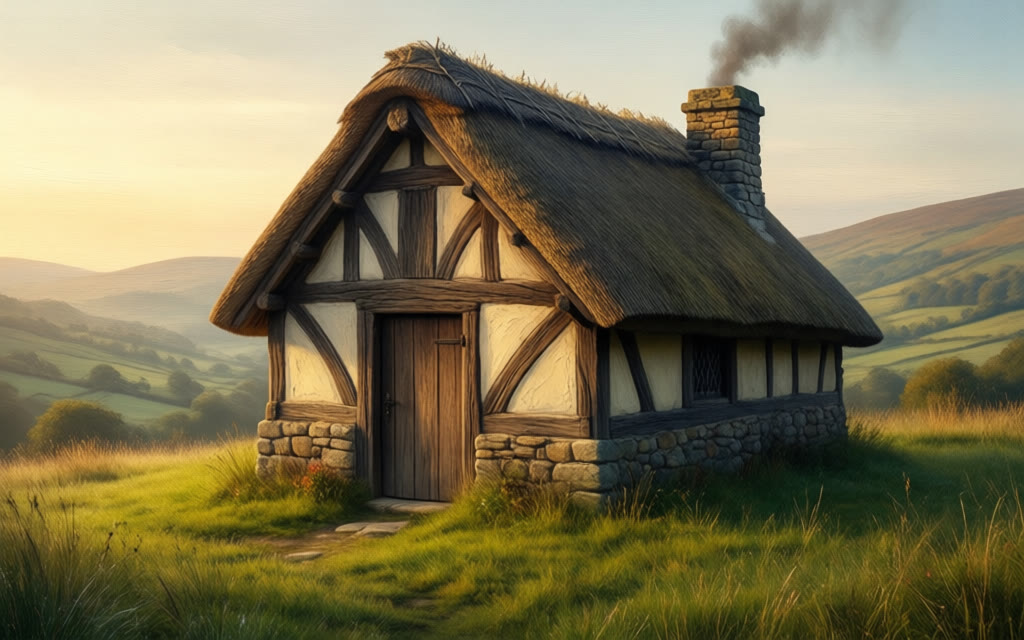
Nothing starts finished
Iron ore is smelted to a bloom, drawn to a billet, worked into an ingot, and only then becomes a nail, a rivet or a sword blade. Wheat is threshed for flour, mixed to dough, left to leaven, and baked. Flax is retted, spun to thread and woven into linen. Hide is scraped, tanned with oak bark, and cut into strap.
Every stage is a real item that somebody has to make. Two dozen trades feed each other: the collier burns charcoal for the blacksmith, the tanner wants the butcher’s hides, the chandler renders tallow into candles, the ropewalk twists fibre into rope.
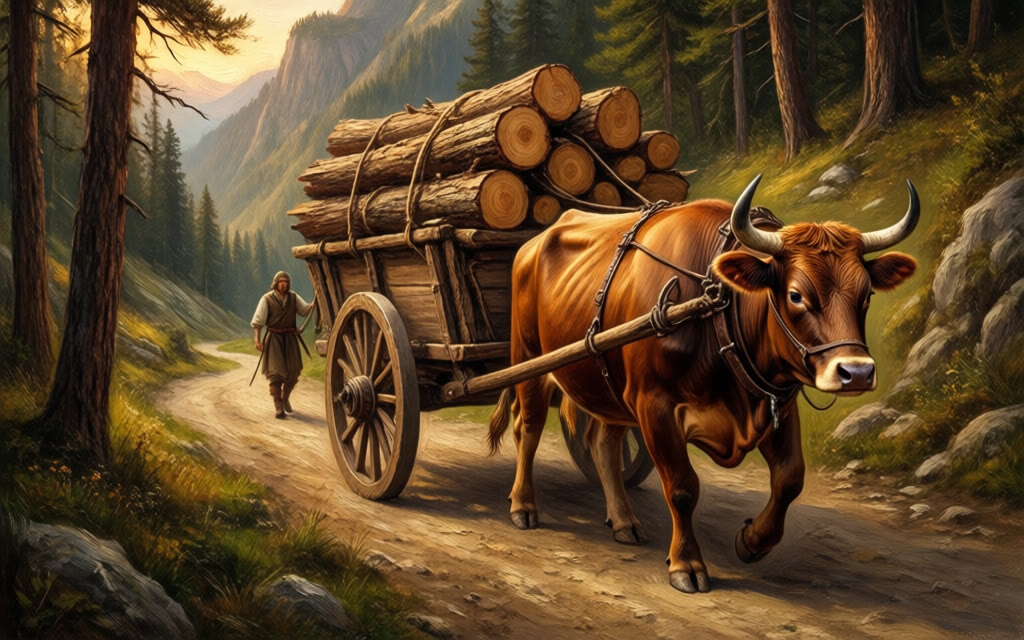
Dig into the hill
Hillsides and cliff faces open up. Drive a tunnel into a slope to reach what is inside it, cut a pass through the ridge between your workshop and the market, or widen a cave mouth until a loaded cart will fit through. The cut is permanent and everyone sees it.
Built on ButterNet Multiplayer Voxel, our in-house engine technology for replicated, persistent destructible terrain.
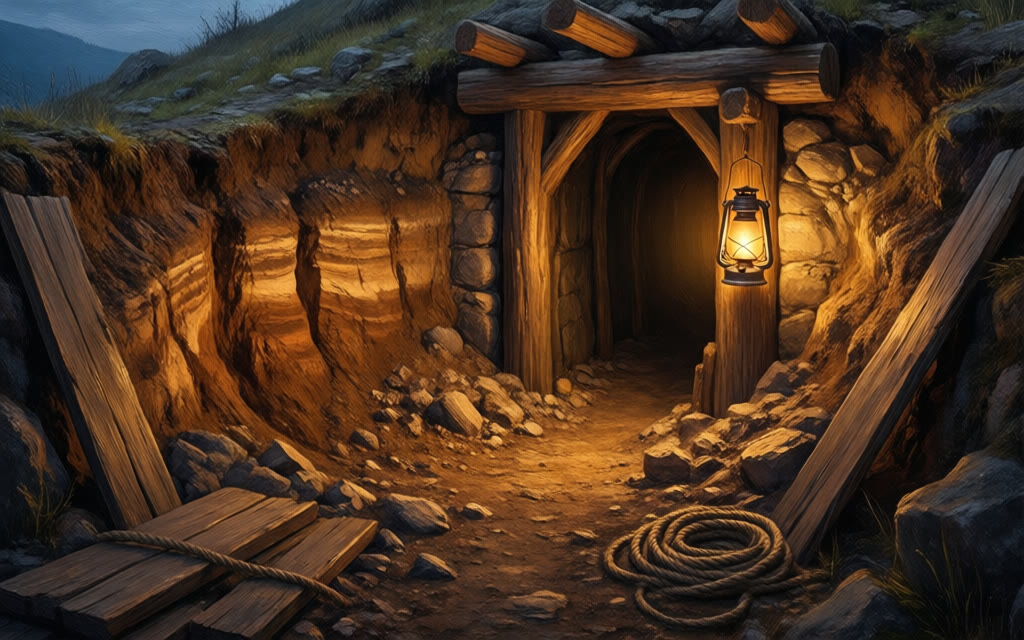
Follow the build
Bread and Iron is in development. If a world that is built rather than furnished sounds like yours, leave an email and we’ll write when there is something worth reading.
Or just join the Discord. That’s where development happens in the open.